Travessia
Dezesseis metros abaixo: aprendendo mergulho livre em Koh Tao
Eu quase me afoguei uma vez. Anos depois, em uma pequena ilha tailandesa, prendi a respiração, entrei em uma parede de peixes e aprendi a ficar mais tempo do que imaginava.
Pamela Sarti · · 8 min de leitura
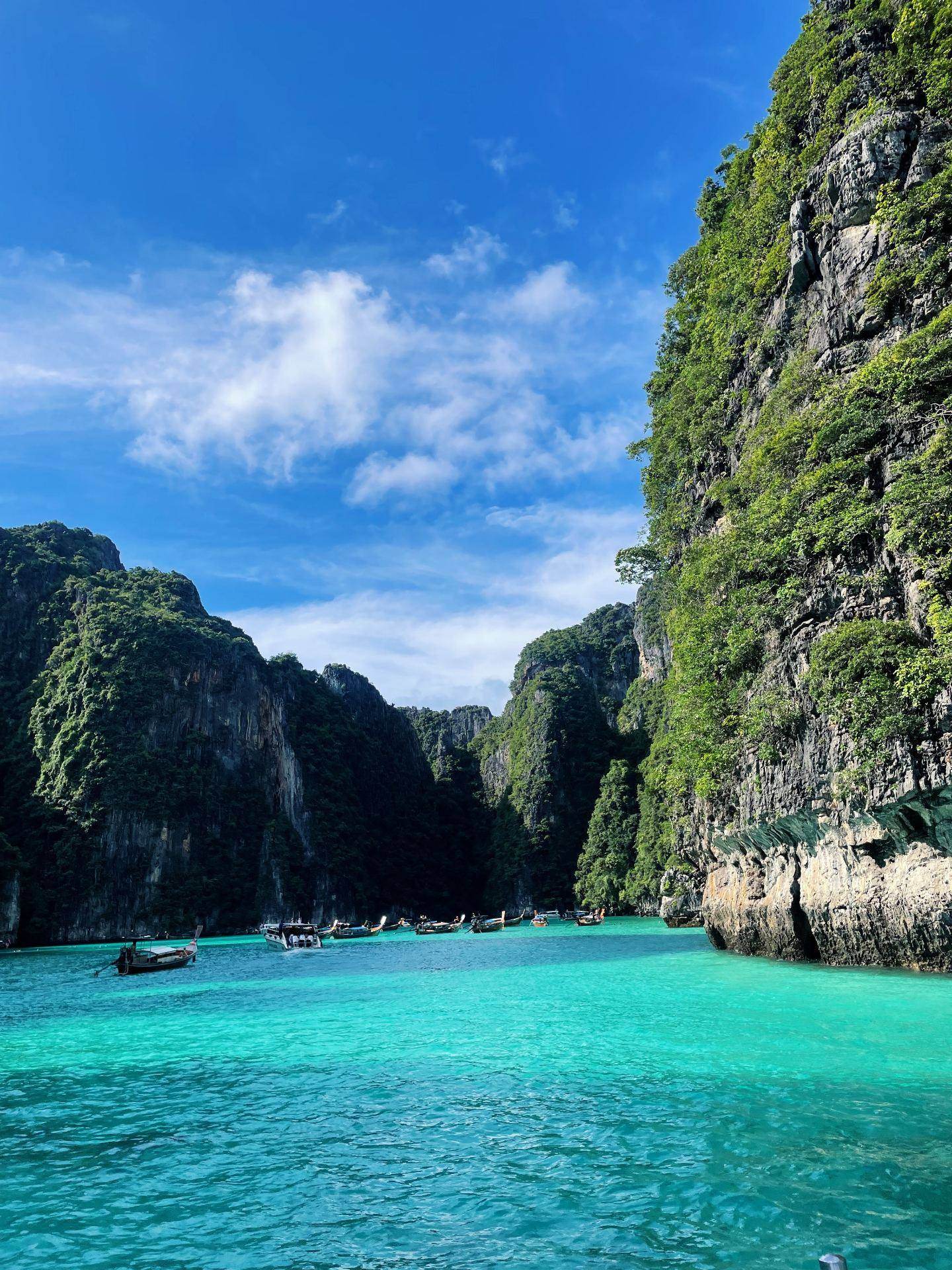
Antes de esta história fazer sentido, preciso contar que eu tinha um medo real de prender a respiração sob a água. Não era nervosismo comum, mas consequência de um quase afogamento. Então fui a Koh Tao e me tornei a primeira pessoa do grupo a descer para o fundo.
Como chegar à ilha feita para mergulhar
Koh Tao fica no Golfo da Tailândia e não tem aeroporto. A única entrada é pelo mar. Desde Bangkok, bilhetes combinados de ônibus e ferry seguem até Chumphon e depois atravessam em catamarã por cerca de uma hora e quarenta e cinco minutos. De Koh Samui, que tem aeroporto, há ferries rápidos várias vezes ao dia.
A ilha reúne viajantes do mundo todo, muitos sozinhos. Em um dia, a turma do curso e as pessoas da pousada viram companhia. Todo mundo parece ligeiramente obcecado pela água.
Como funciona um curso de mergulho livre
Freediving é corpo, respiração e água. Koh Tao tem escolas certificadas por AIDA, PADI e SSI. Um curso inicial costuma durar dois ou três dias e custar entre 7 mil e 8 mil baht, normalmente com manual, equipamento e certificação.
Iniciantes costumam buscar entre 10 e 16 metros em peso constante. Profundidade é meta, não garantia; equalizar os ouvidos importa mais do que preparo atlético. A cultura é construída sobre segurança: sempre se mergulha com dupla ou instrutor.
O mergulho que mudou tudo
Eu fui primeiro. O coração batia por causa do medo antigo. Respirei, virei a cabeça para baixo e comecei a descer. A água se abriu porque eu entrei no meio de um cardume enorme, uma nuvem prateada que se separava e se refazia ao redor do corpo. A cena era tão cinematográfica que eu esqueci o medo.
O instrutor desceu ao meu lado, mantendo a calma. Quando percebi, tinha alcançado dezesseis metros. Então surgiu o pensamento: estou sem ar, preciso subir. Virei para a superfície e a urgência simplesmente desapareceu.
No curso, aprendemos que a primeira vontade de respirar vem do aumento de CO₂, não da falta imediata de oxigênio. Esse conhecimento ajudou a acalmar a mente, mas nunca é permissão para ultrapassar limites.
Segurança é inegociável: hiperventilar antes do mergulho reduz o alerta do CO₂ e pode provocar apagamento sem aviso. Aprenda em uma escola, não hiperventile, não force profundidade e nunca mergulhe sozinho.
Um bom curso não existe para empurrar alguém ao fundo, mas para ensinar respiração, relaxamento, leitura dos sinais do corpo e confiança na dupla. A profundidade é consequência. Se você tem medo de água, avise a escola.
Planejando a viagem
- Chegue ao Golfo da Tailândia por Bangkok ou Koh Samui.
- Faça a travessia de barco via Chumphon ou Samui.
- Escolha escola certificada por AIDA, SSI ou PADI e leia avaliações recentes.
- Reserve dois ou três dias para o curso e não encha o restante da agenda.
- Fique um pouco mais: Koh Tao também merece tempo fora da água.
Por que fazer
Koh Tao transforma uma das imagens mais intimidantes possíveis, afundar no mar com uma única respiração, em algo seguro, acessível e bonito. Você não precisa ser atleta ou não sentir medo. Eu carregava um quase afogamento e ainda assim desci dezesseis metros dentro de uma parede de peixes. Se existe um medo preso no peito, a água de Koh Tao pode ser um bom lugar para deixá-lo.
Leia também
Perguntas frequentes
Como chegar a Koh Tao?
A ilha não tem aeroporto. Desde Bangkok, siga de ônibus e ferry via Chumphon. Desde Koh Samui, ferries rápidos partem várias vezes por dia.
Quanto custa um curso para iniciantes?
Cerca de 7 mil a 8 mil baht por dois ou três dias, geralmente com material, equipamento e certificação.
A que profundidade chegam os iniciantes?
Normalmente entre 10 e 16 metros em peso constante, conforme equalização, conforto e critérios da certificação.
O mergulho livre é perigoso?
Pode ser, por isso nunca deve ser praticado sozinho. Faça um curso, não hiperventile e mergulhe sempre com instrutor ou dupla treinada.
Quem tem medo de água consegue aprender?
Sim. Bons cursos priorizam respiração, relaxamento e segurança. Informe a escola sobre o medo antes de começar.
Pamela Sarti escreve para a Trovr sobre lugares, experiências e a filosofia de viajar para se descobrir.