Descoberta
Providencia, Colômbia: a ilha que o tempo esqueceu
Um guia vivido da pequena ilha caribenha da Colômbia, com conexão por San Andrés, mergulho com tubarões e o Mar de Sete Cores.
Pamela Sarti · · 8 min de leitura
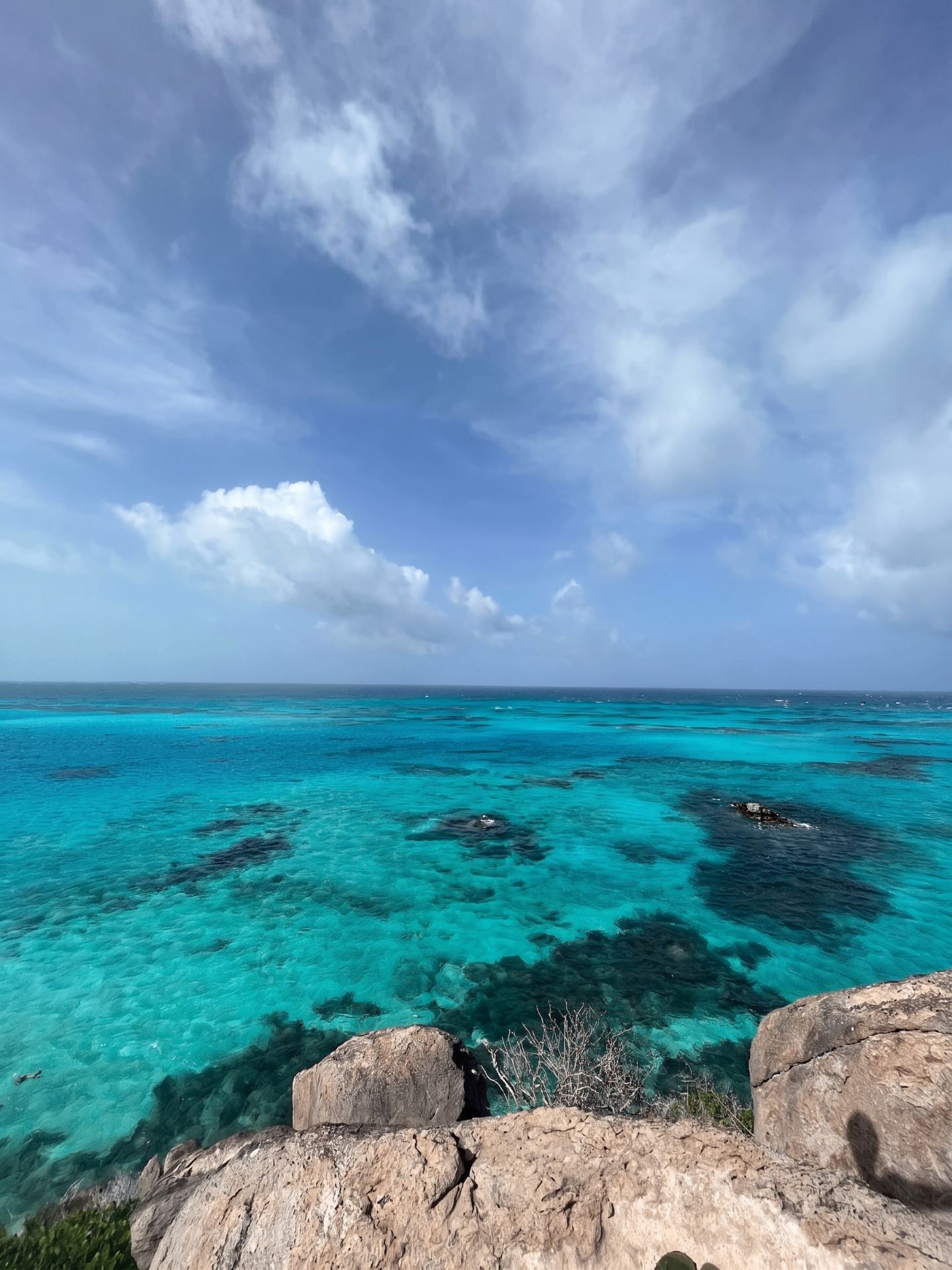
Tenho mil vídeos desta viagem. Mil. E nenhum consegue mostrar o tamanho da beleza de Providencia. Eu conto que foi como aterrissar dentro de um episódio de Lost; as pessoas riem até verem o avião chegando baixo sobre o mar.
Como chegar a Providencia
A logística molda a viagem: não existe voo direto do continente colombiano para Providencia. Primeiro você chega a San Andrés em um voo comum desde Bogotá, Medellín ou Cartagena. Depois entra em um pequeno avião de hélice da Satena, geralmente com menos de vinte assentos.
O trecho dura cerca de vinte minutos e termina no aeroporto El Embrujo. A aproximação passa baixa sobre lagoas turquesa e recifes. Por alguns segundos parece que o avião vai tocar o mar antes da pista, até as rodas pousarem diante da água.
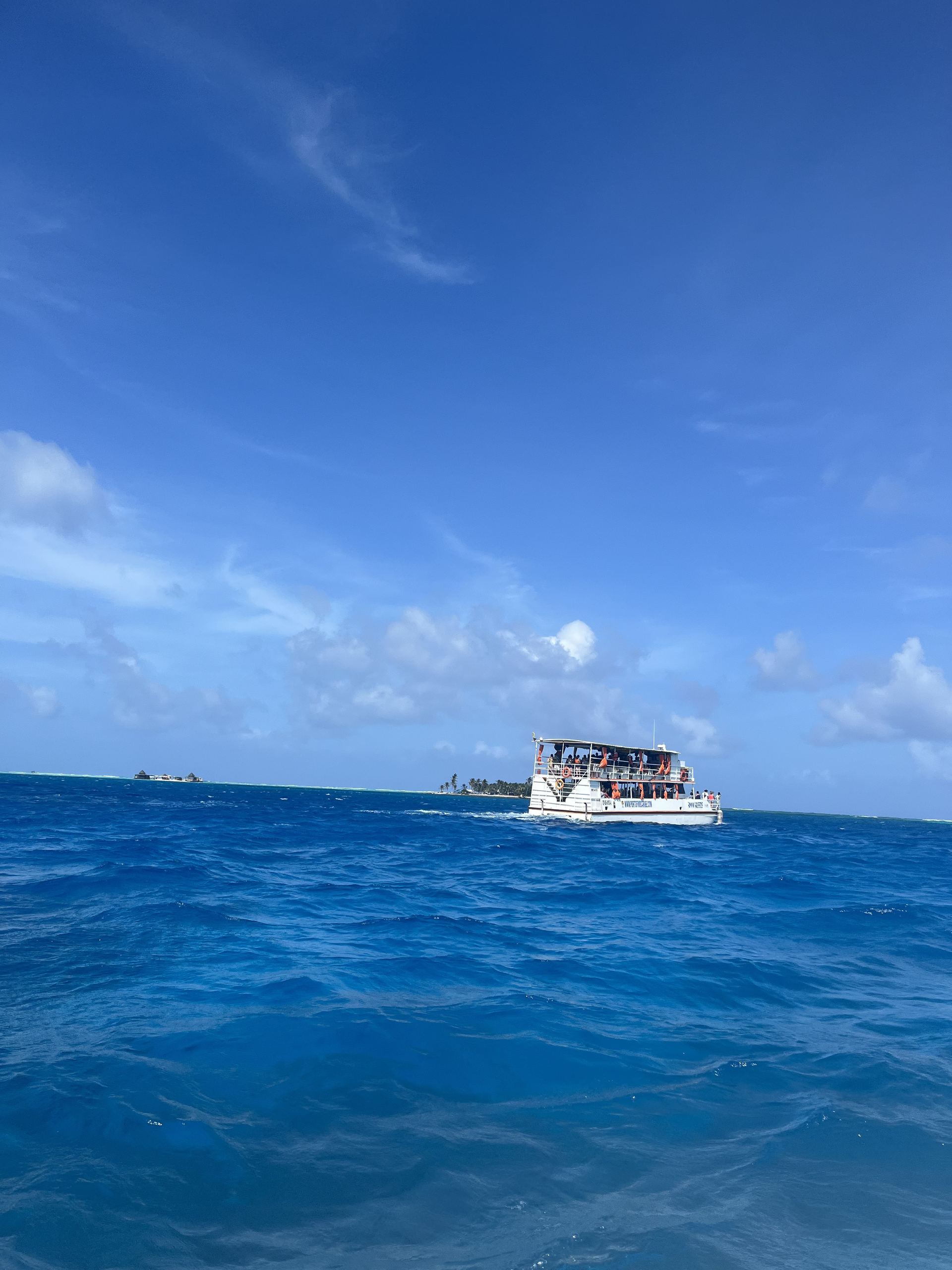
Para planejar: compre o trecho San Andrés–Providencia cedo. Há poucos voos diários e os assentos acabam, sobretudo na estação seca. Um catamarã também faz a travessia algumas vezes por semana em cerca de três horas e meia. É preciso pagar a tarjeta de turismo para entrar no arquipélago.
Uma ilha que você contorna em menos de uma hora
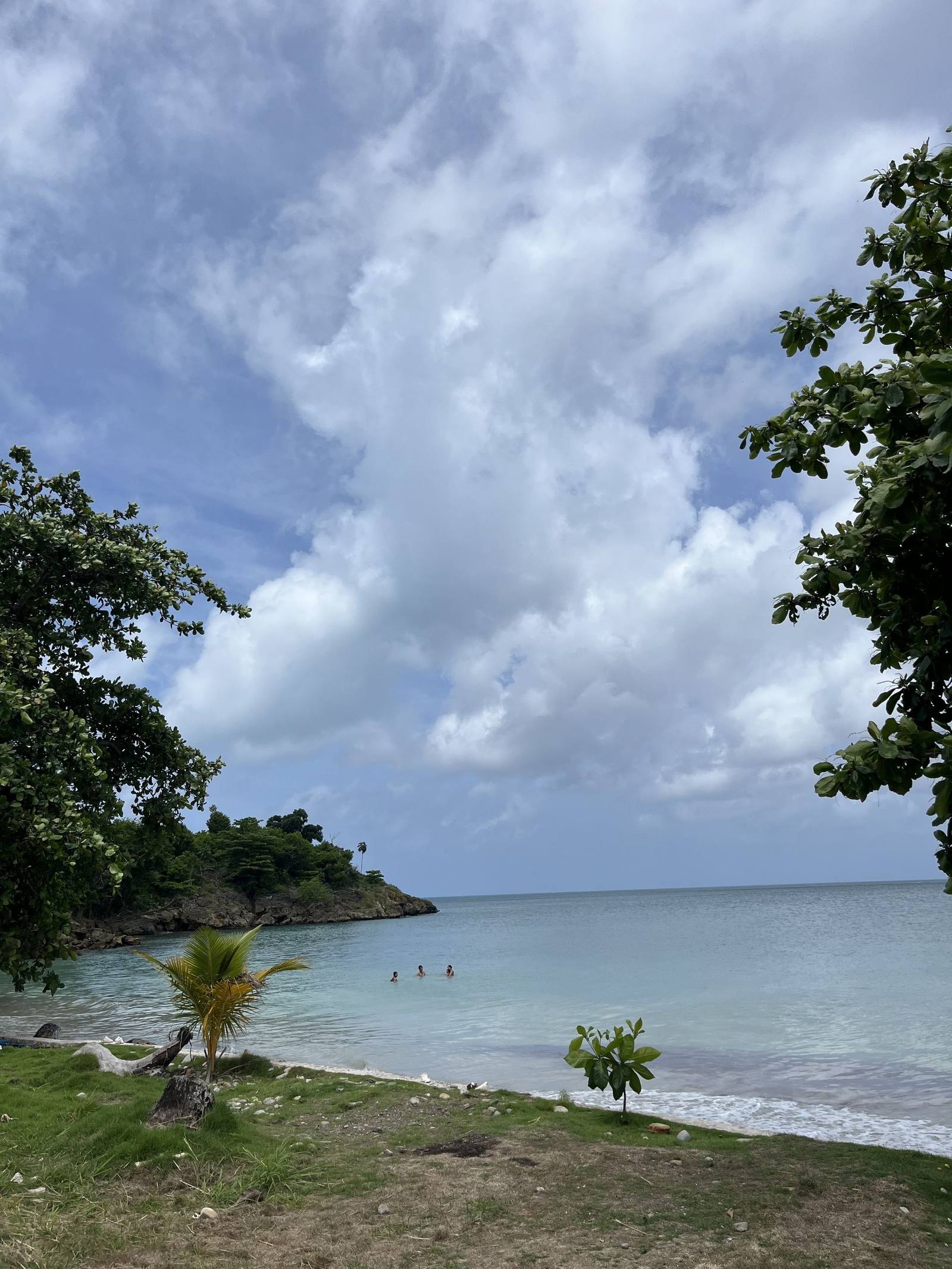
A estrada costeira tem aproximadamente 17 quilômetros. Uma volta tranquila em carrinho de golfe leva de quarenta minutos a uma hora. Providencia e a pequena Santa Catalina, ligada pela ponte dos Namorados, reúnem cerca de cinco mil moradores. Não há grandes redes de resort, ônibus de excursão ou multidões de cruzeiro.
A população é Raizal, descendente de colonizadores ingleses e africanos. Crioulo de base inglesa, inglês e espanhol se misturam nas conversas. É um mundo distante de Bogotá, atravessado por sal, reggae e uma relação própria com o território.
Mergulho com tubarões no maior recife da Colômbia
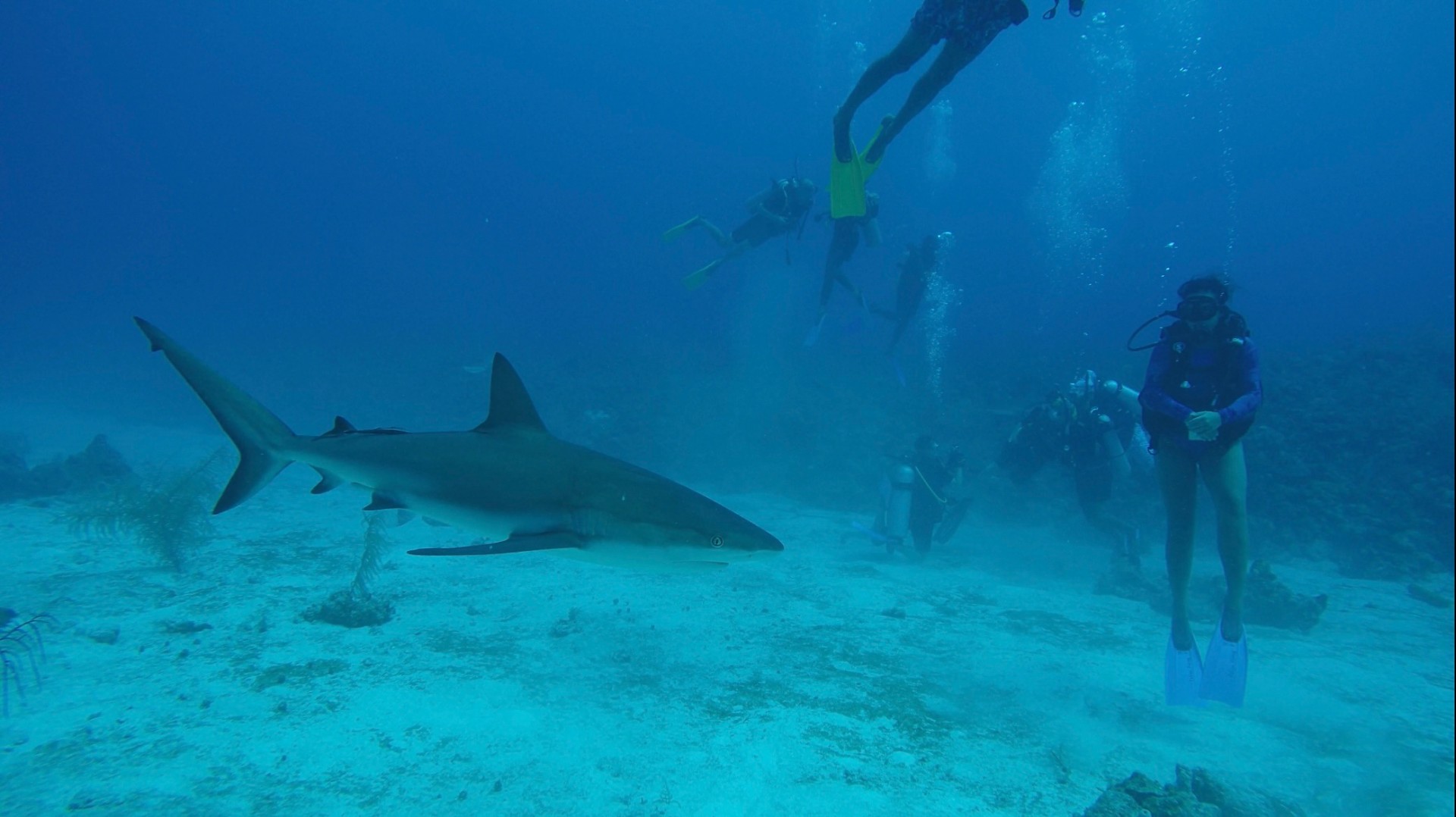
Saímos de barco para um ponto específico de mergulho com tubarões. Não é um encontro ao acaso perto da praia. Providencia está sobre um sistema de corais protegido pelo Parque Nacional Natural Old Providence McBean Lagoon, dentro da Reserva da Biosfera Seaflower, reconhecida pela UNESCO em 2000. É a segunda maior barreira de corais do Caribe.
Os tubarões-lixa passavam tranquilos pelo fundo, elegantes e completamente desinteressados em nós. Em certo momento, o guia pegou minha GoPro e filmou enquanto alimentava os animais com a naturalidade de quem conhece aquele recife desde sempre. Parecia um set de cinema.
Se você for: faça o mergulho com operadores locais. Os guias cresceram sobre este recife e sabem onde encontrar os animais com segurança. Reserve pela pousada ou por uma escola local.
O que fazer em Providencia
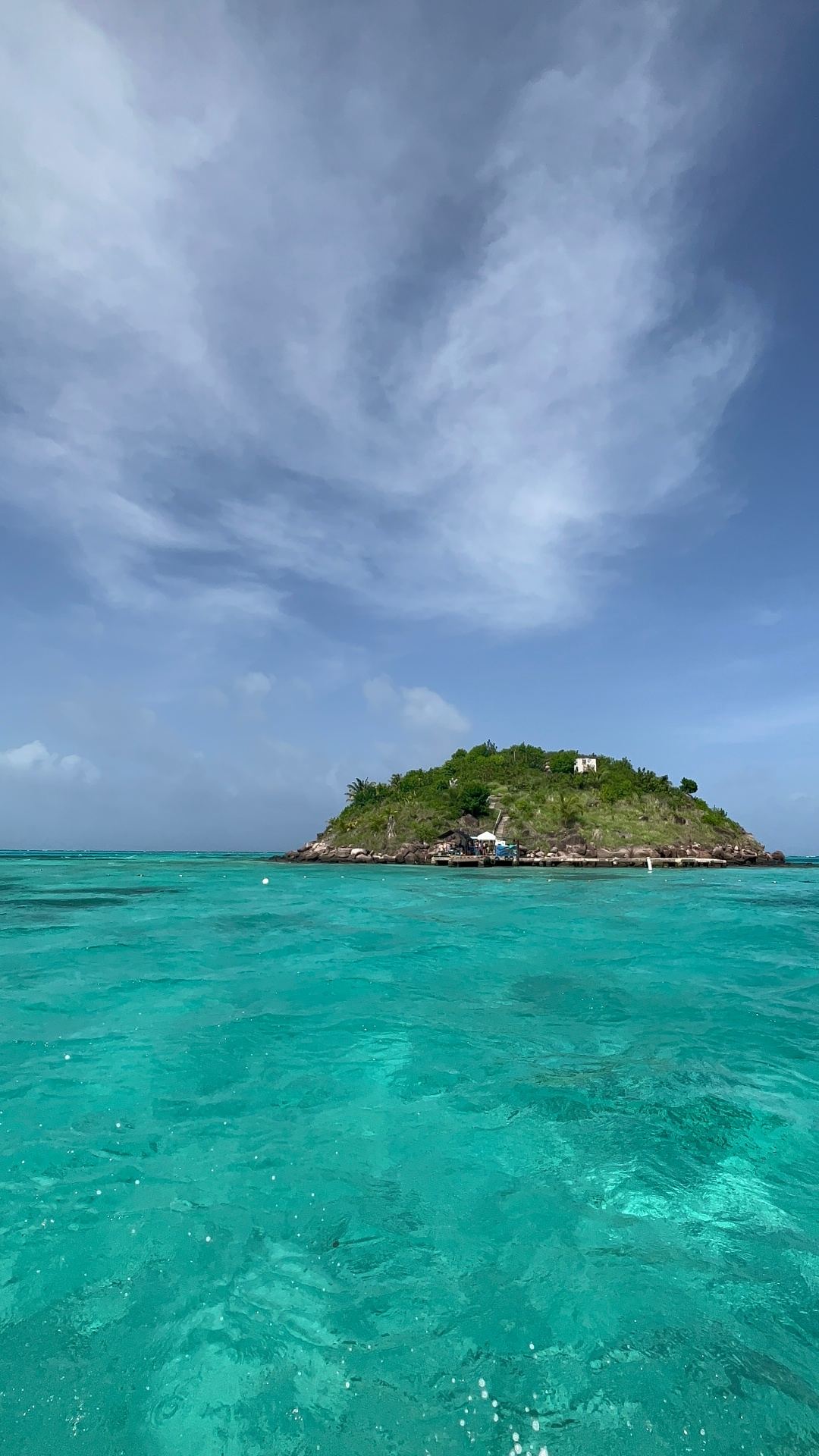
- Cayo Cangrejo: ilhota dentro do parque nacional, cercada por água clara e excelente snorkel.
- Manguezais de McBean Lagoon: canais estreitos de caiaque até lagoas imóveis e escondidas.
- El Pico: trilha ao ponto mais alto da ilha, com vista sobre os diferentes tons do recife.
- Santa Catalina: atravesse a ponte dos Namorados e caminhe até Morgan’s Head, ligado à história do pirata Henry Morgan.
Prefira o período de meados de janeiro a abril, com março geralmente mais seco. A estação chuvosa vai aproximadamente de maio a meados de janeiro e atinge o auge em outubro. A ilha ainda reconstrói o que o furacão Iota destruiu em 2020. Escolher pousadas, guias e operadores locais faz diferença real.
Por que Providencia merece ser a próxima viagem
Providencia é uma ilha genuinamente pequena e local, apoiada sobre um recife de escala mundial e ainda fora da esteira do turismo de massa. A dificuldade de chegar ajuda a preservar o ritmo: conexão em San Andrés, um avião minúsculo e a descida sobre o Mar de Sete Cores.
Você contorna a ilha em menos de uma hora, mergulha com tubarões tranquilos, escuta três línguas na mesma saudação e volta com imagens que ninguém acredita serem reais. Vá escrever o seu capítulo antes que mais gente encontre o caminho.
Leia também
Perguntas frequentes
Como chegar a Providencia, na Colômbia?
Voe primeiro a San Andrés desde Bogotá, Medellín ou Cartagena e conecte em um voo de cerca de vinte minutos da Satena até o aeroporto El Embrujo. Também há catamarã em alguns dias da semana.
É preciso tarjeta de turismo?
Sim. A tarjeta de turismo é exigida para entrar no arquipélago de San Andrés e Providencia. Guarde o comprovante até a saída.
Qual é a melhor época?
O período mais seco vai aproximadamente de meados de janeiro a abril, com março geralmente mais seco.
É possível mergulhar com tubarões?
Sim. Operadores locais conduzem mergulhos em pontos específicos com tubarões-lixa, dentro da segunda maior barreira de corais do Caribe.
Quanto leva para contornar a ilha?
A estrada costeira tem cerca de 17 km; uma volta tranquila de carrinho de golfe leva de quarenta minutos a uma hora.
Pamela Sarti escreve para a Trovr sobre lugares, experiências e a filosofia de viajar para se descobrir.